
Dates: July 4 – July 17, 2027
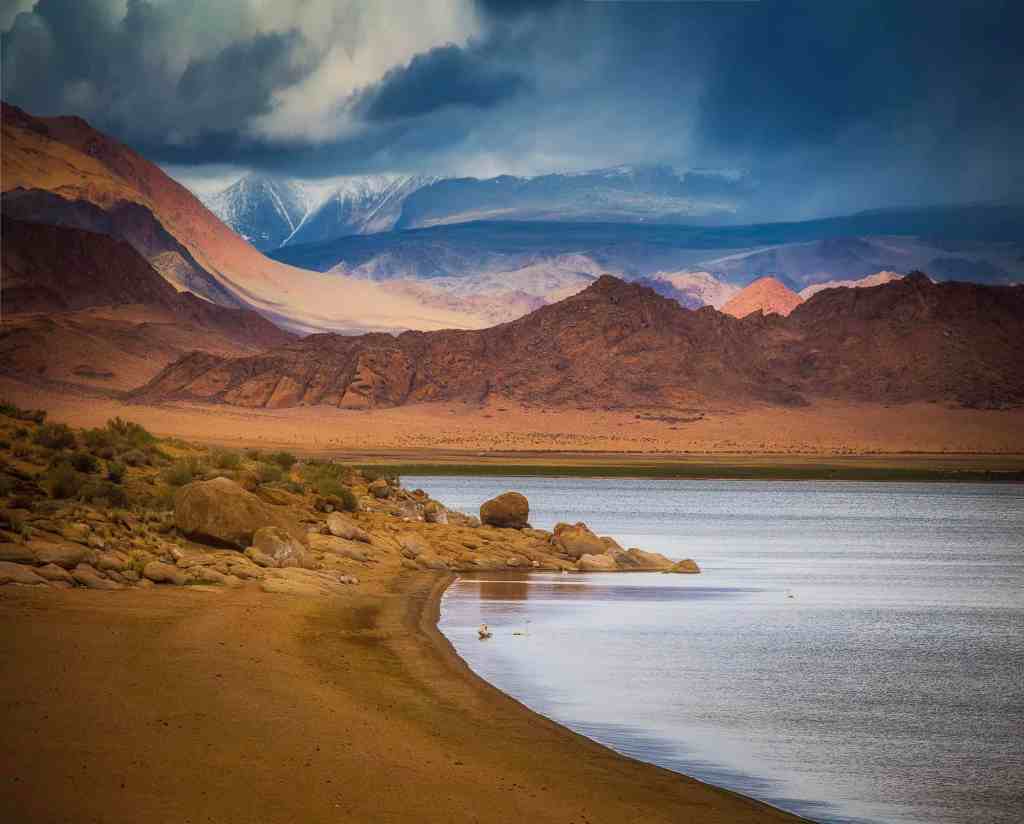
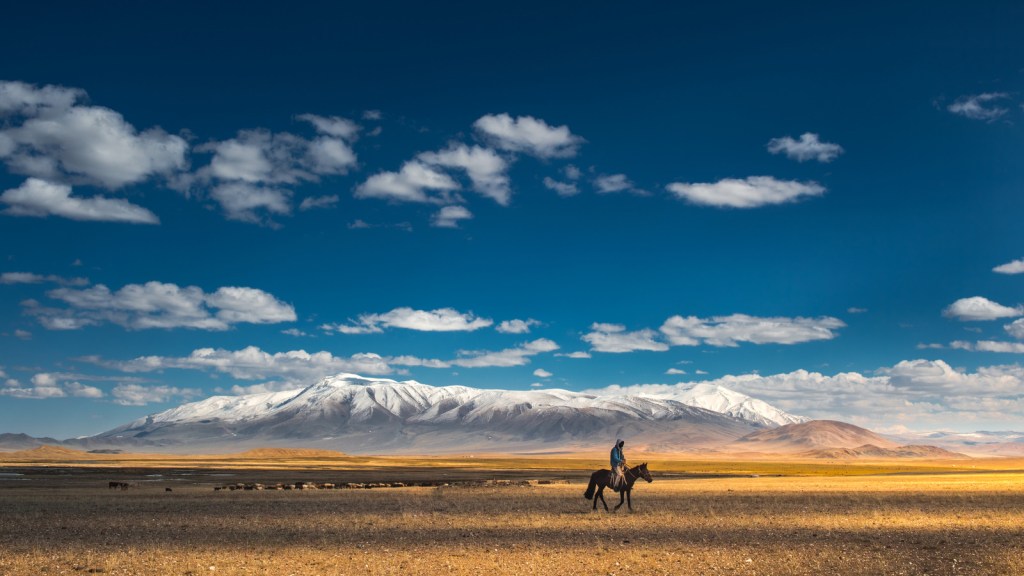
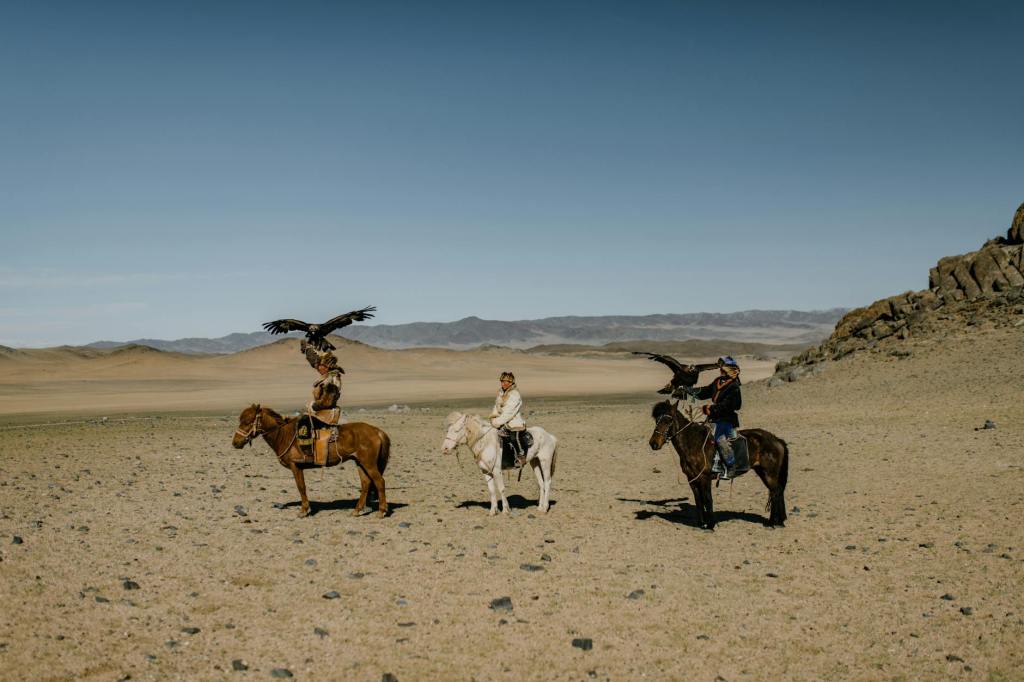
Vast, wild, and breathtakingly beautiful, Mongolia is a land where endless steppes meet towering mountains, crystal-clear lakes, and ancient forests. Steeped in history—from the empire of Genghis Khan to a centuries-old nomadic way of life—Mongolia offers a journey not only through stunning landscapes but also into the heart of a profound and enduring spirituality shaped by Shamans, Buddhism, Father Sky and Mother Nature herself.
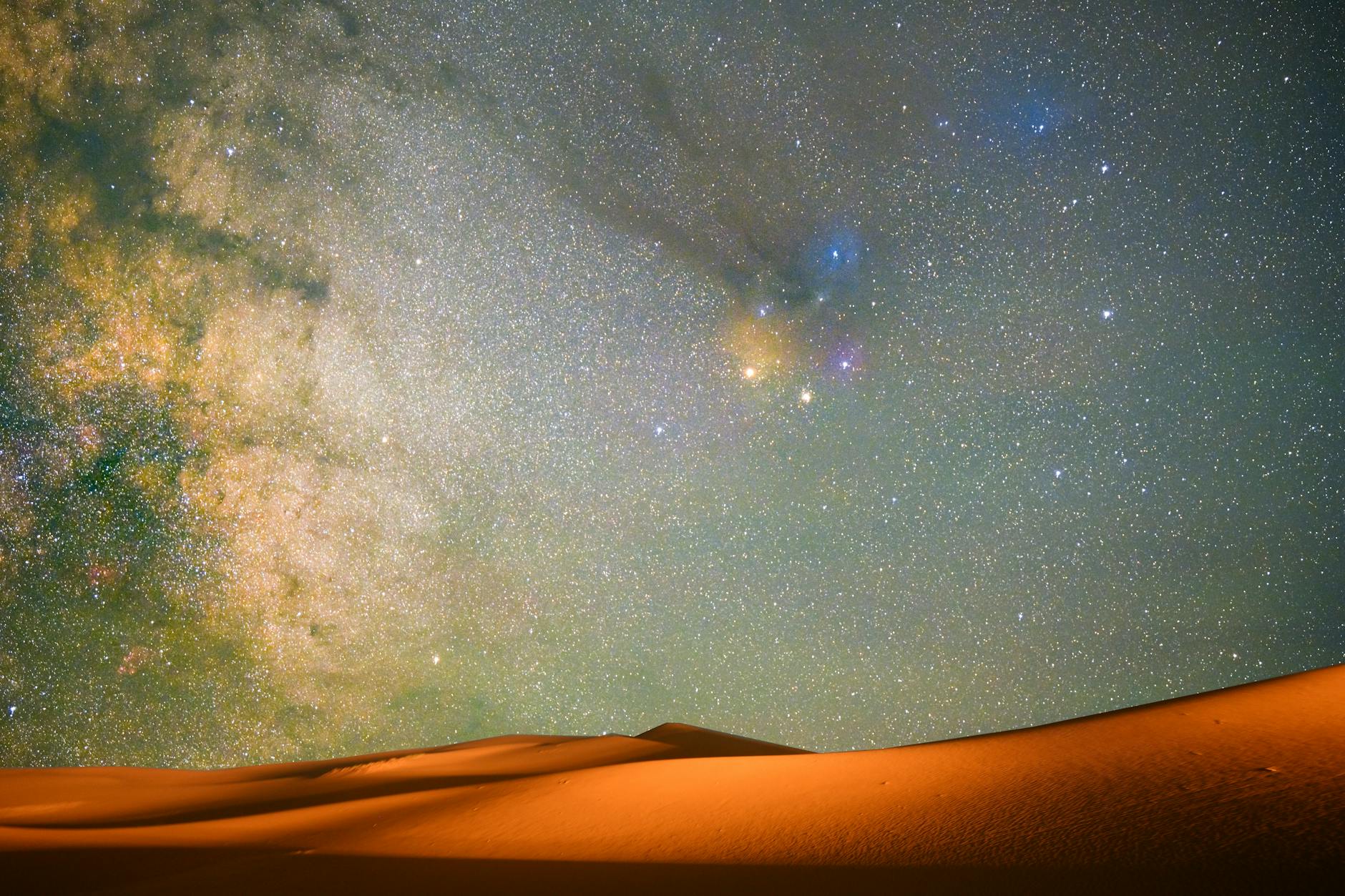
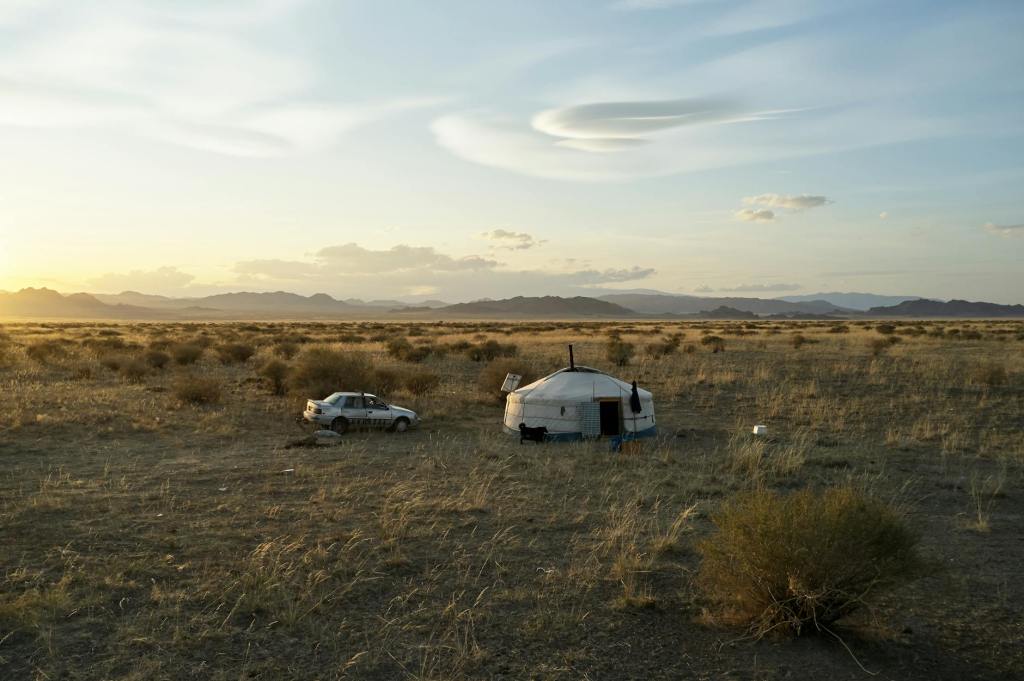
This 14-day journey through Mongolia offers an extraordinary immersion into one of the world’s last great nomadic cultures, combining dramatic landscapes with deeply rooted traditions. Beginning in Ulaanbaatar, the itinerary quickly transitions into the wild beauty of the countryside, from the granite formations and meditation temples of Gorkhi Terelj National Park to the striking White Canyon of Tsagaan Suvarga. In the Gobi Desert, travelers experience some of Mongolia’s most iconic highlights: hiking through the ice-filled Yol Canyon, the towering Khongoryn Els “Singing” Sand Dunes, and exploring the Flaming Cliffs, where the first dinosaur eggs were discovered. Along the way, nights in traditional yurts, encounters with local herding families, and opportunities for star gazing create an intimate connection to Mongolia’s natural beauty and enduring nomadic way of life.
Timed to coincide with the vibrant Naadam Festival, this itinerary offers travelers a rare chance to witness Mongolia’s most celebrated cultural event, often called the “Three Games”—wrestling, horse racing, and archery. This adds a powerful cultural dimension to an already rich journey, complementing visits to sacred and historic sites such as the ruins of Ongi Monastery, the ancient capital of Kharkhorin, and the UNESCO-listed Erdene Zuu Monastery. The experience concludes with wildlife viewing in Hustai National Park, home to the reintroduced wild Takhi horses, and exploration of ancient Turkic burial sites. Blending adventure, history, and living tradition, this itinerary offers a deeply memorable and culturally resonant introduction to Mongolia.
Tour Highlights
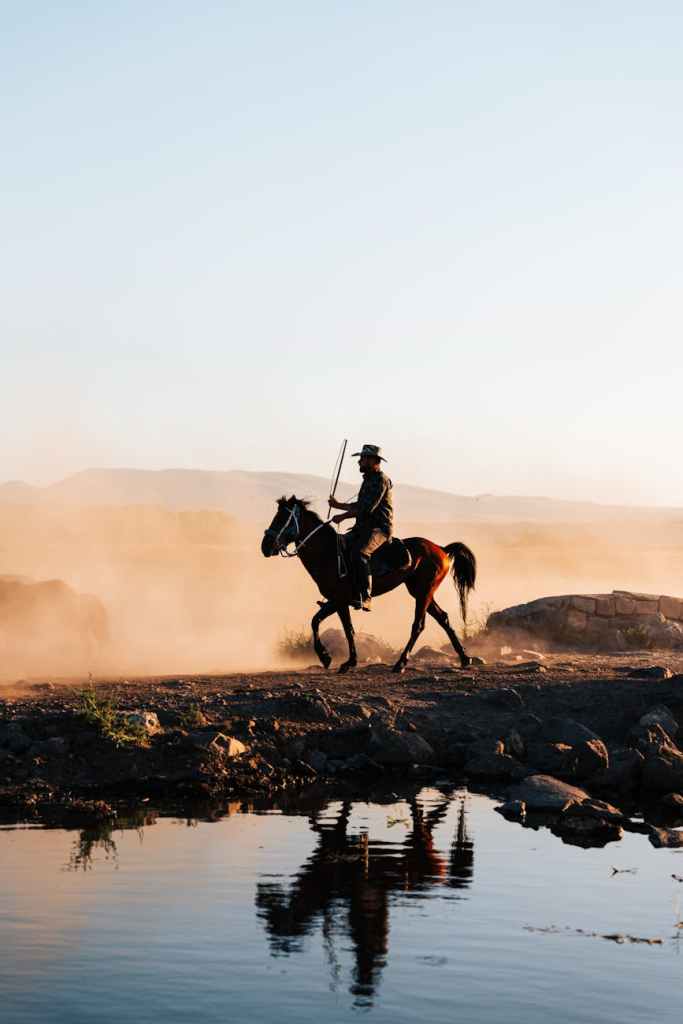
- Experience the Naadam Festival – Witness Mongolia’s most celebrated cultural event, featuring traditional wrestling, horse racing across the степpe, and archery, all rooted in centuries-old nomadic traditions.
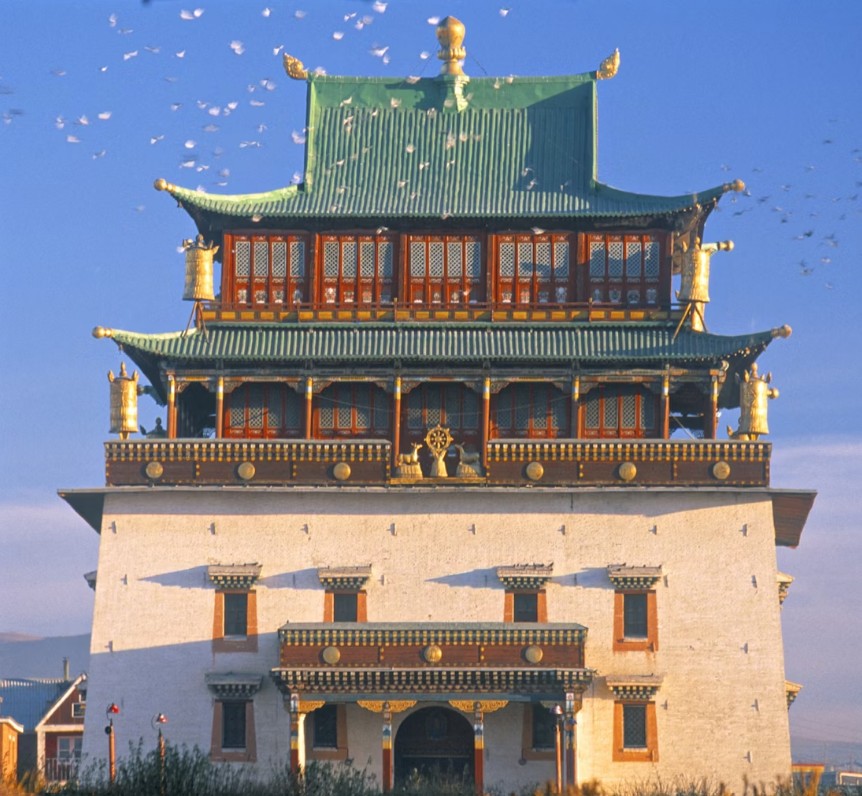
- Visit Gandan Monastery – Mongolia’s most important active monastery, home to towering statues and living Buddhist traditions.
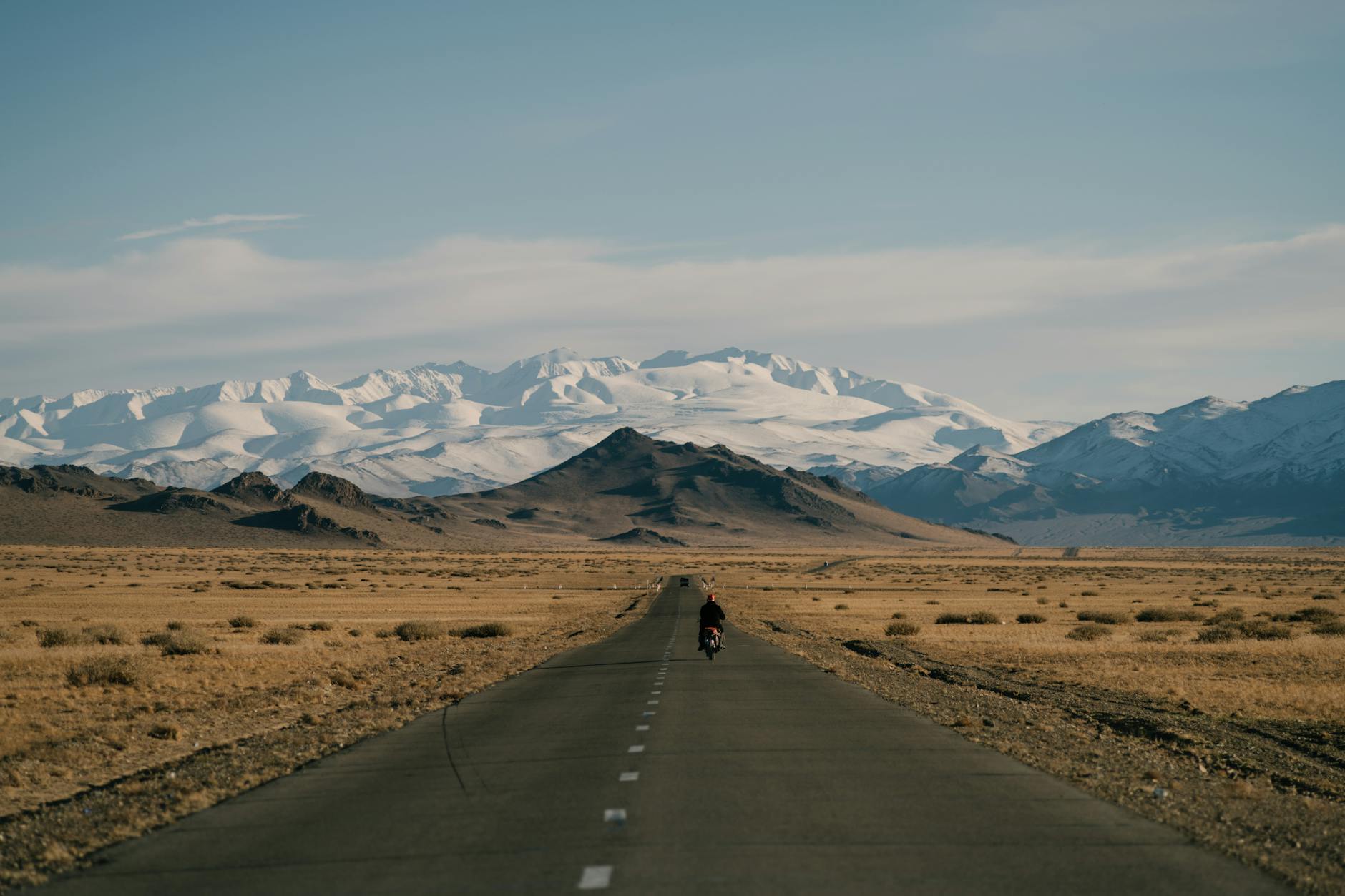
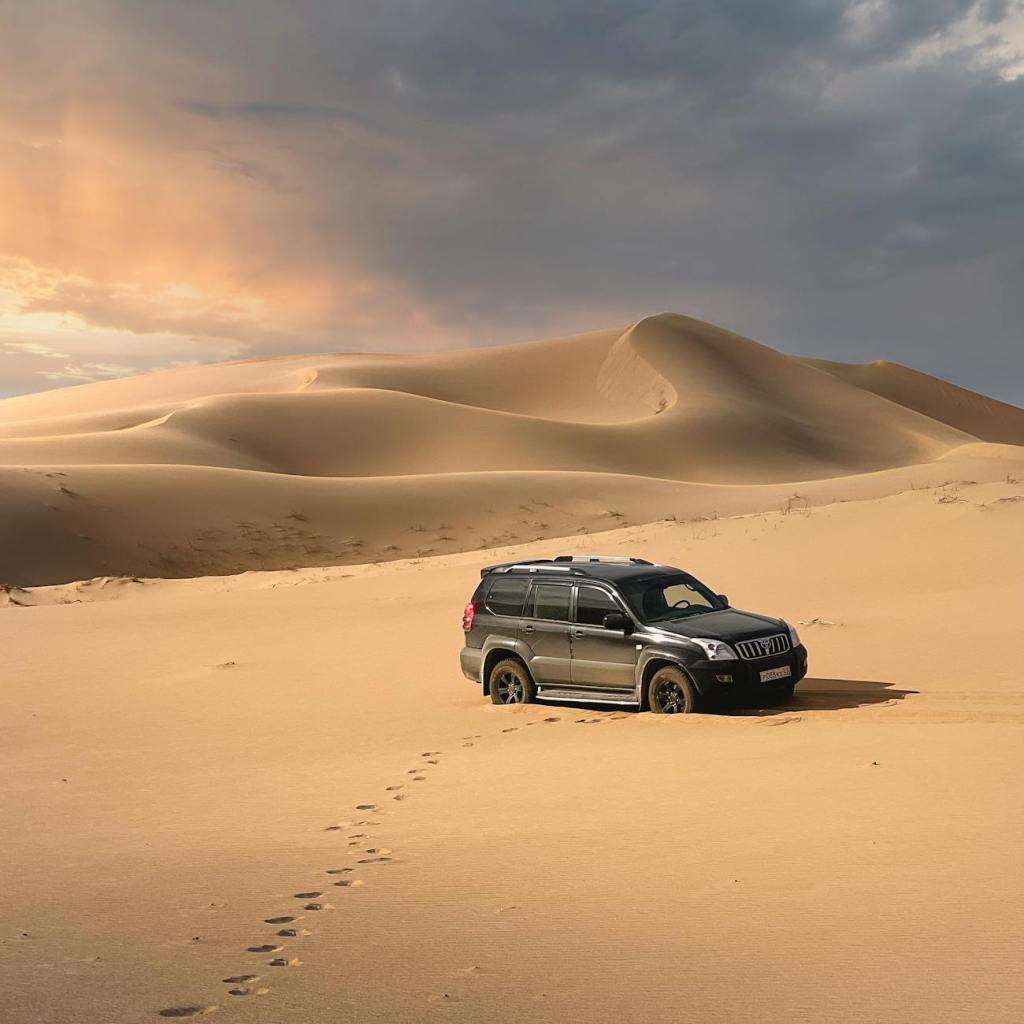
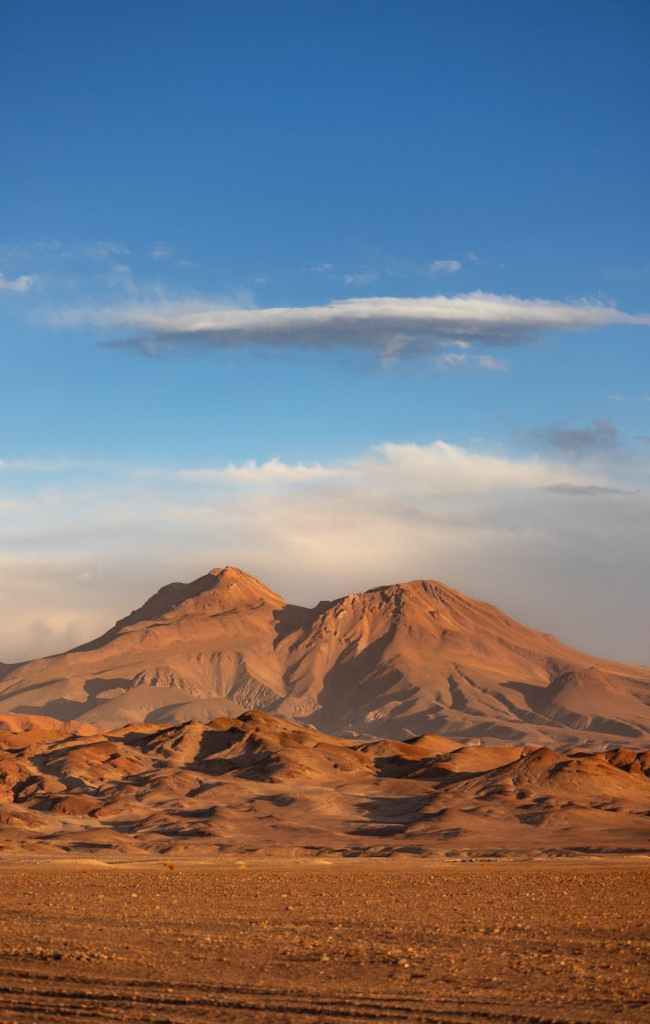
- Journey into the Gobi Desert – Traverse vast, cinematic landscapes of sand dunes, rocky outcrops, and open steppe.
- Walk the Flaming Cliffs at Bayanzag – Famous for dinosaur fossils and glowing red sandstone formations at sunset.
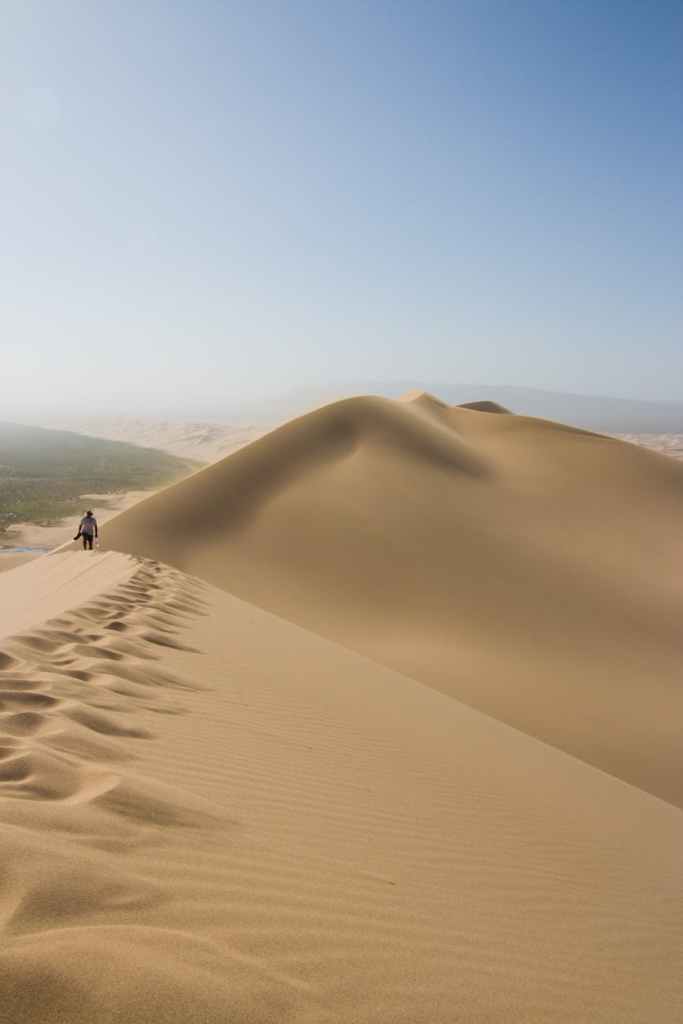
- Climb the Khongoryn Els (Singing Dunes) – Experience the immense dunes whose sands “sing” in the wind.
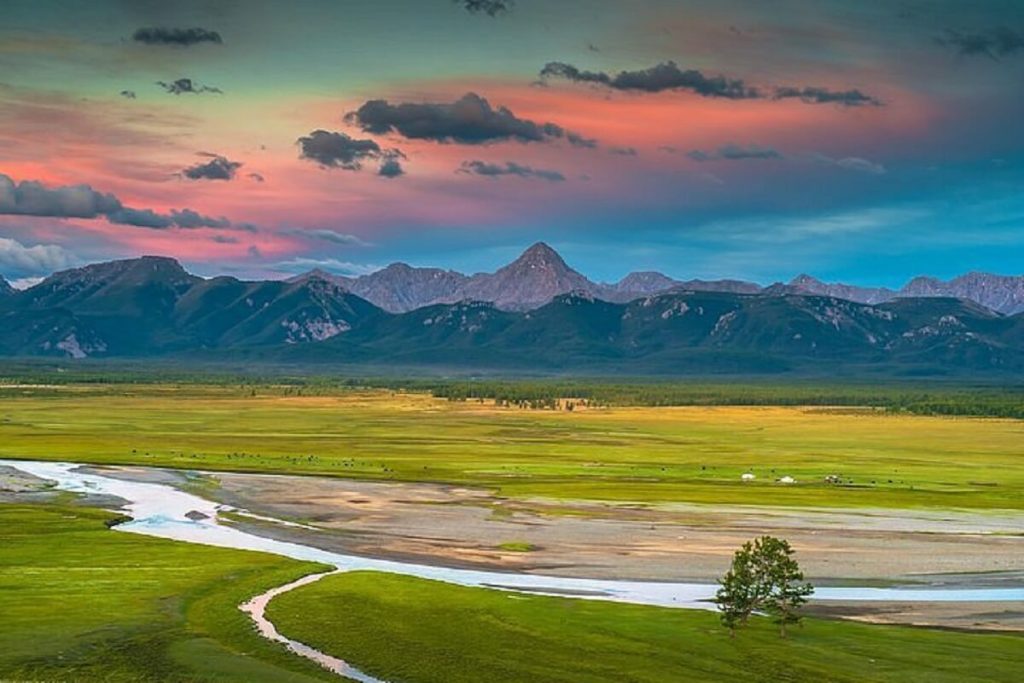
- Visit the lush Orkhon Valley – A cradle of Mongolian civilization with rolling grasslands, rivers, and ancient sites.
- Explore Karakorum – The historic capital of the Mongol Empire, rich with archaeological remains.
- Discover Erdene Zuu Monastery – Mongolia’s oldest surviving Buddhist monastery, surrounded by iconic white stupas.
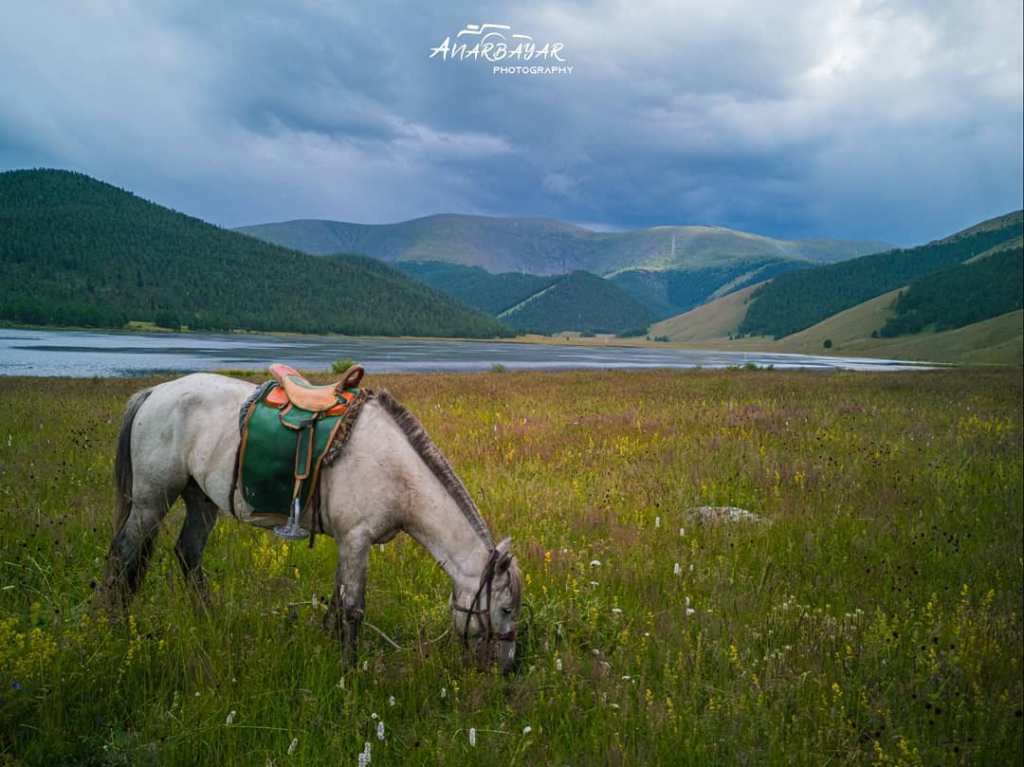
- Meet Mongolian Wild horses – Experience the landscape as nomads have for centuries.
Sign up here!
Payment Plans available
Detailed Itinerary
Day 1 – Ulaanbaatar
- Arrive in the capital city of Mongolia
- Airport pickup and hotel transfer
- Optional half-day city tour: Gandan Monastery, National Museum
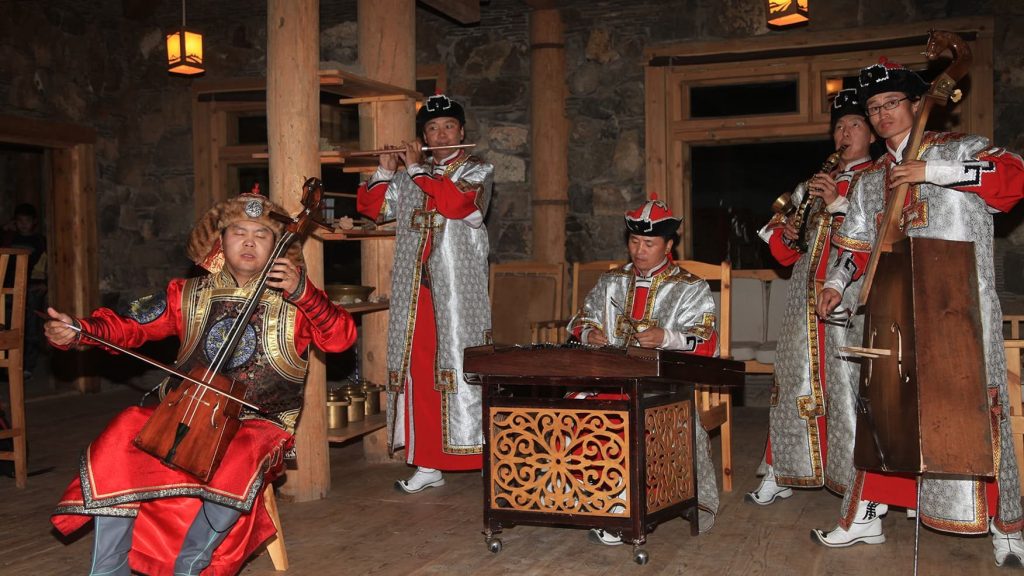
- Traditional Mongolian concert in the evening
- Welcome dinner
Day 2 & 3 – Gorkhi Terelj National Park Via Chinggis Khaan’s Statue
Pick up from the hotel at 9am and head to “Chinggis Khaan’s Statue Complex”, the biggest (40m high) equestrian statue in the world. There you can ascend to the head of the horse using an elevator to see surrounding sceneries. After visiting the statue, continue our drive to Gorkhi Terelj National Park, one of the most visited national parks in Mongolia. The next day, you will have the opportunity to explore Turtle Rock, which symbolizes the National Park, as well as partake in a brief hike to the Aryapala Meditation Temple for a scenic view of the park.
Day 4 – White Canyon
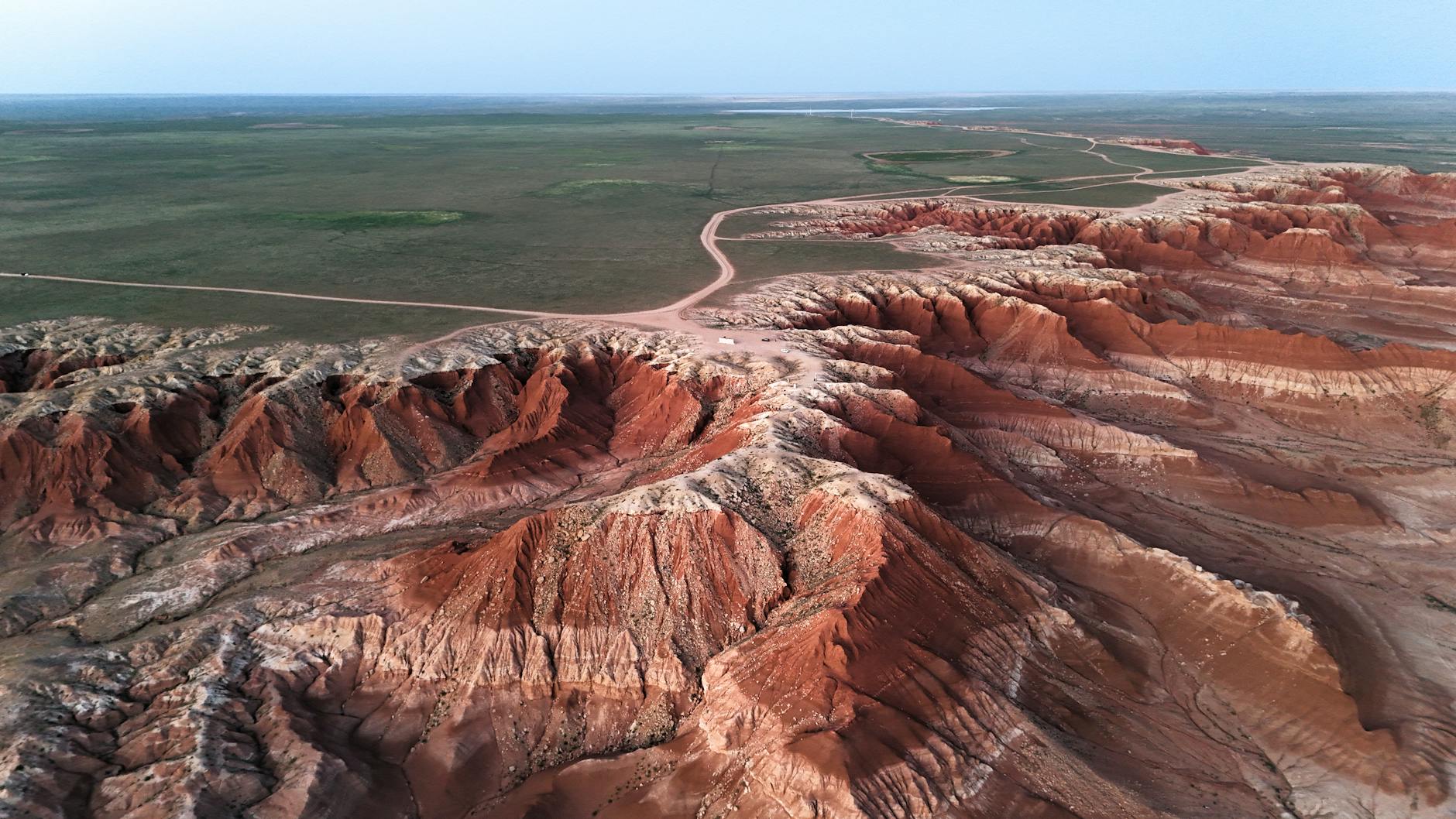
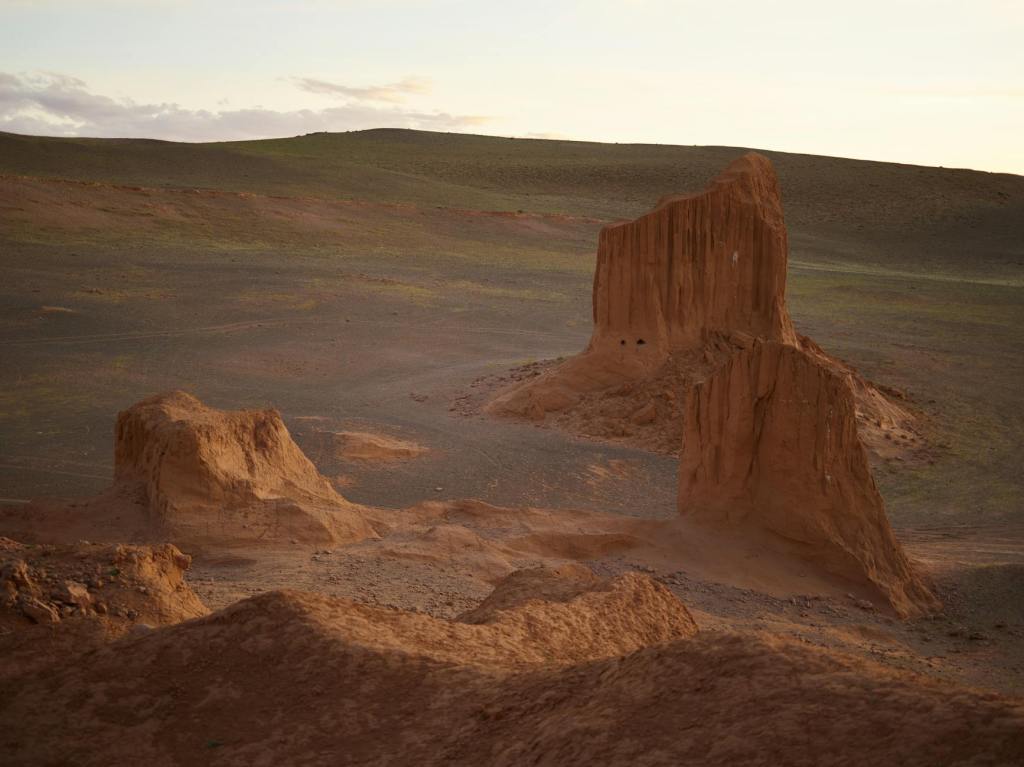
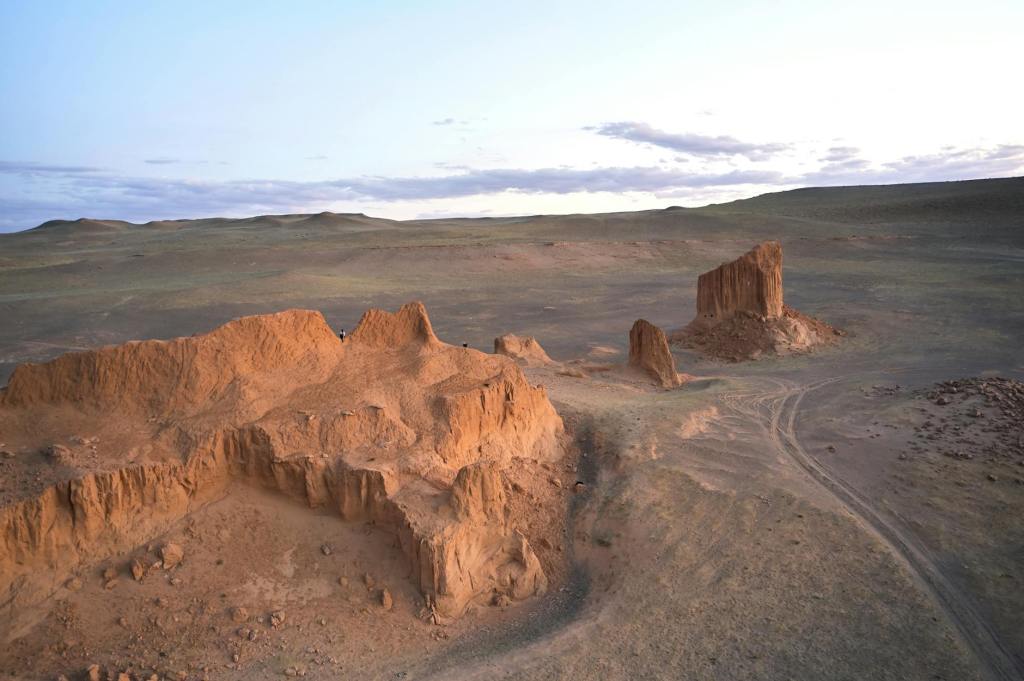
Continue our journey to Tsagaan Suvarga, located in Ulziit village of Middle Gobi province. Witness the sheer slopes of the white canyon, facing east, which looks like the ruins of the ancient city from a distance. Over thousands of years the wind has created this amazing structure. It is an ancient seabed with sedimentary formation created by million of years of pressure and erosion, with different colors of the ground representing different times.
Day 5 & 6 – Into the Gobi Desert
After breakfast at 8:30am, we’ll drive to the majestic Gobi Gurvan Saikhan National Park to visit Vulture’s Valley or Yoliin am, a deep and narrow gorge with steep rock walls situated within The Gobi Three Beauties mount range in southern Mongolia. The valley is named after vultures, called Yol in Mongolian. On the way to the national park, we will visit Dalanzadgad city and enjoy our lunch about 1pm and continue our drive about 4Okm till the gate of Yoliin am. Upon arrival, we will hike about 5km to the gorge, which is also called as ice canyon. The thickness of ice field reaches over 3 meters deep by the end of winter, and is several kilometers long. In past years the ice remained whole year round, but lately the ice field tends to disappear by August. The following day, we will embark on a brief hike to discover Dungenee Valley and tour a nature museum located within the national park.
Day 7 & 8 – Singing Sand Dunes at Khongoryn Els
We will depart from the canyon at approximately 9 AM after enjoying our breakfast, heading towards the Khongor sand dunes, which are the second largest and most magnificent sand dunes in Mongolia. These dunes extend an impressive 180 kilometers in length, range from 3 to 15 kilometers in width, and rise over 300 meters in height. During our journey, we will stop for lunch in Bayandalai village around 12:30 PM. Upon reaching our destination, we will check into our camp and take an hour to relax. Following this, we will join local camel herders for an optional camel ride, and the next day, we will ascend to the summit of the singing dunes to witness a breathtaking panoramic view of the surrounding oasis.
Day 9 – Flaming Cliffs
After a hearty breakfast at 9am, we’ll drive to Bayanzag – saxaul forest nearby the Gobi Gurvansaikhan National Park. On the way, we’ll have our lunch in Bulgan village about 1pm and continue our drive about 18km till the Flaming Cliffs, famous for the first scientifically recognized fossilized dinosaur eggs discovered there by Roy Andrew Chapman, an American explorer in 1923.
Day 10 – Ongi Monastery
Travel to Ongi Monastery Ruins, constructed in 1660. The Monastery was one the four biggest Buddhist school and housed over 1000 shamans but was harmfully destroyed during communist purges in 1937. Once we reach the sight, we’ll visit a small museum in a yurt and reconstructed temple.
Days 11 – Ancient Capital of Mongolia
Set off on a journey to Kharkhorin village, an ancient capital of the Great Mongolian Empire, one of the most popular tourist destinations. Upon arrival in the village, we’ll visit the earliest surviving monastery “Erdene Dzuu”, constructed with stones nearby ruins of the ancient Mongolian capital of Kharakhorum in 1586 by Abtai Sain King. The Monastic complex was also inscribed on the List of World Heritage Sites in 2004 as a part of the Orkhon Valley Cultural Landscape. Before heading to our accommodation, we’ll view some exhibits and artifacts in Kharkhorum museum.
Day 12-13 – Mongolia’s Wild Horses
Travel to Hustai national park where the famous Mongolian wild horses, known to the equine world as Equus Przewalskii, were reintroduced from world zoos to Mongolia since 1992. Upon arrival at the destination, we have a brief introduction of the Takhi horse and biodiversity of Hustai national park and continue driving to the habitat of the last surviving subspecies of wild horse: “Takhi”. On the following day, we will explore the Ungut Monument, which requires a total drive of 40 kilometers to witness the largest burial complex of the Turkic Khaganate from the 6th to 8th centuries in Mongolia and Central Asia. This site is situated on the southern slopes of Ungut Mountain within Hustai National Park, located in Tuv Province. It boasts more than 30 stone man figures, over 550 balbal stones, and ancient graves, a site for offerings by Turkic nobles from the 7th century.
Day 14 – Departures
Transfer to the airport for your international flight.
End of Tour – Bayartai! (Goodbye!)
Use our booking platform WeTravel to confirm your spot:
Sign up here!
 Expedition Ahimsa