
Five quiet invitations into the India that lives beyond the guidebooks & Instagram posts
India is often introduced through crowded cities, postcard palaces, and a checklist of “must-sees.” Yet the country’s deepest beauty does not announce itself loudly. It hums. It breathes. It waits patiently in places most itineraries never reach.
To truly encounter India is not to skim its surface, but to slow down and listen—to the rhythm of village life, to bells echoing from temples still alive with prayer, to forests where tigers move like myths made flesh, to kitchens where history simmers daily in clay pots.
Here are five treasures tourists often miss when they travel to India—and why they matter.
1. Leave the Big Cities to Find the Real India in Small Towns and Countryside
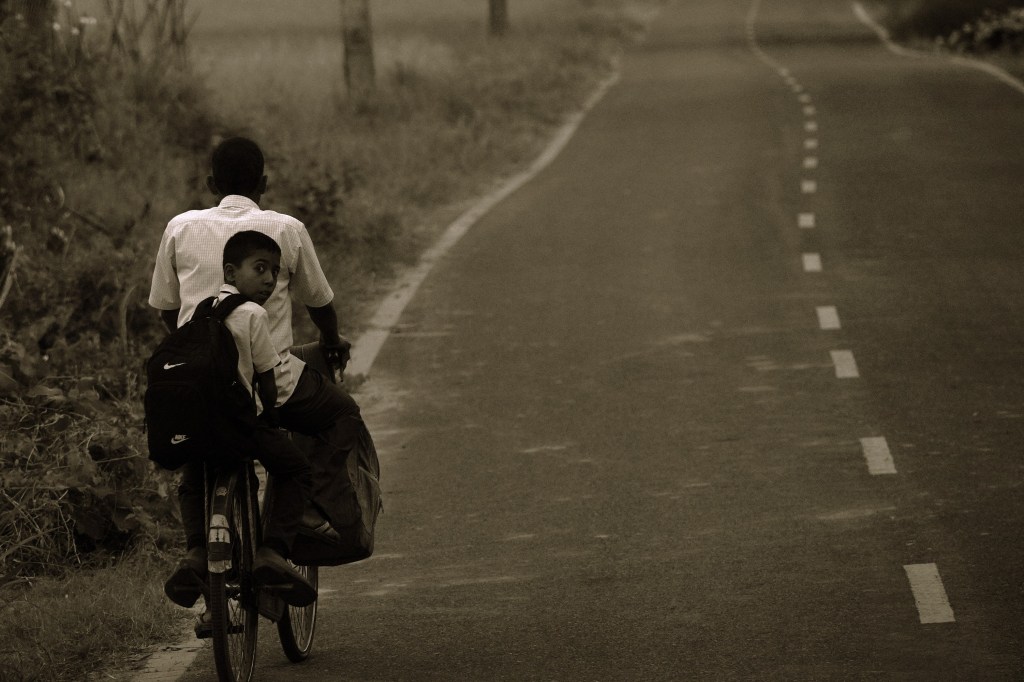
Delhi, Mumbai, and Jaipur dominate most travel plans, but they are only the loudest notes in a vast composition. The soul of India lives elsewhere—in villages, small towns, riverbanks, and agricultural heartlands where life still follows the sun more than the clock.
In rural India, mornings begin with temple bells and buffalo walks. Farmers pause their labor to offer tea to strangers. Children run barefoot across red earth paths while elders sit beneath banyan trees recounting epics older than nations.
Traveling through the countryside offers something no city can: intimacy. Here, you are not a tourist—you are a guest.
2. Beyond Forts and Palaces: Discover India’s Living Temples
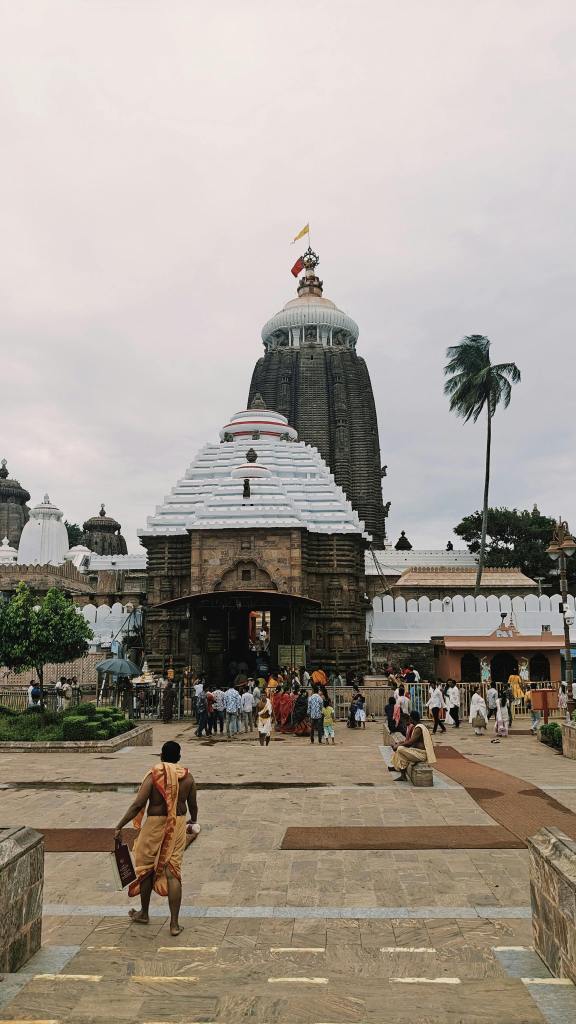
Tourists often marvel at forts—silent, magnificent, empty. Yet across India, sacred spaces are not museums of history but living hearts of communities.
From ancient stone temples weathered by millennia to modern neighborhood shrines adorned with fresh marigolds each morning, India’s temples are alive. They pulse with prayer, music, ritual, and daily devotion. Children learn mythology on temple floors. Vendors sell flowers at dawn. Priests chant not for visitors, but for the gods who are believed to still dwell there.
To step into these spaces is to witness continuity—a civilization not preserved, but practiced.
3. Go Beyond Rishikesh: Journey into the Upper Himalayas
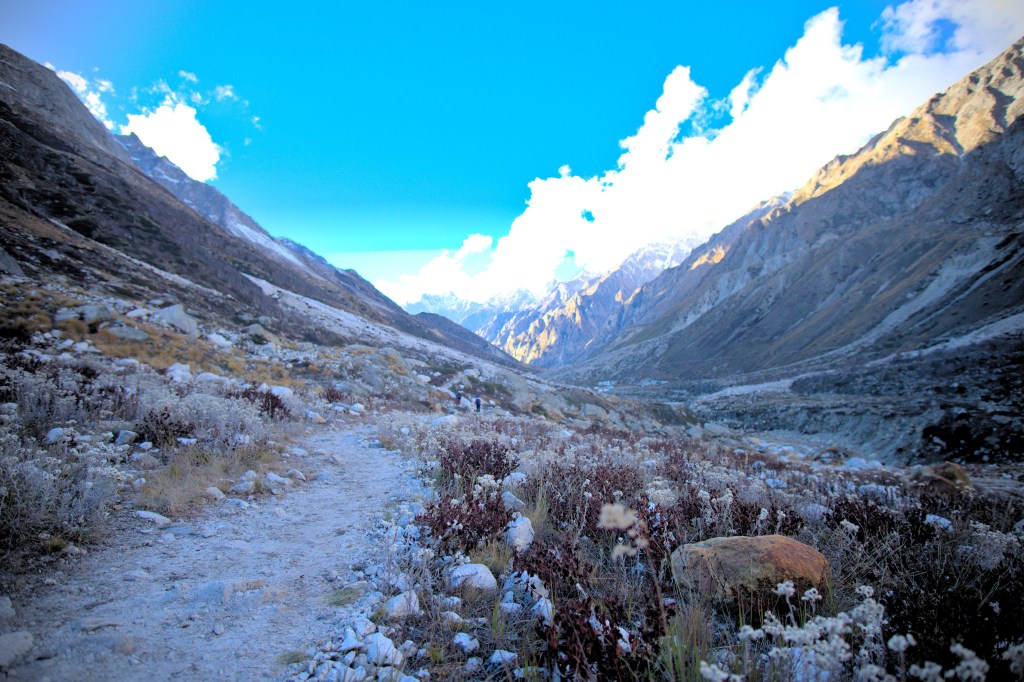
Rishikesh is often portrayed as the gateway to the Himalayas—but it is only the threshold. Beyond it, the mountains grow quieter, wilder, and infinitely more profound.
Places like Gangotri, Badrinath, and Kedarnath are not just destinations; they are pilgrimages. Roads narrow. Oxygen thins. Rivers roar with glacial authority. The Himalayas here are not curated for comfort—they demand reverence.
In the upper Himalayas, spirituality is inseparable from landscape. Snow-fed rivers are goddesses. Mountains are deities. Silence itself feels sacred.
This is where India teaches humility, not spectacle.
4. India’s Wild Heart: Tiger Reserves of Central India
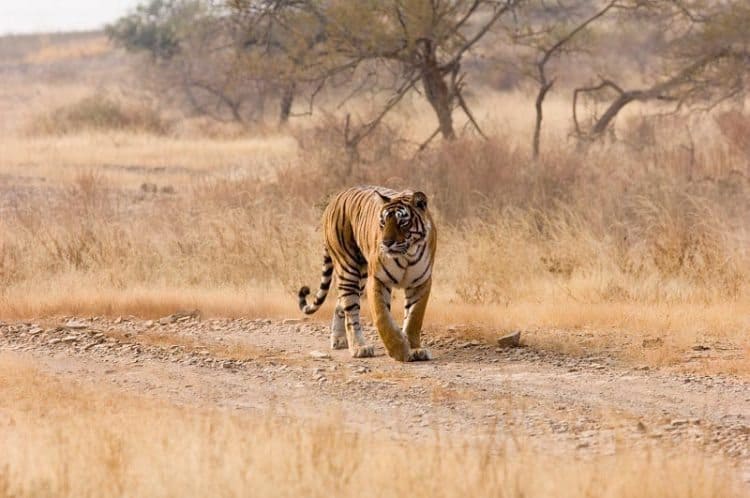
Ask travelers about India’s nature, and most will point north to snow-capped peaks. Yet some of the country’s most breathtaking wilderness lies in central India—in tiger reserves like Kanha, Bandhavgarh, Pench, and Tadoba.
Here, teak forests glow gold at sunset. Deer freeze mid-step. Birds announce the unseen. And somewhere beyond sight, a tiger moves—unhurried, sovereign, mythic.
These landscapes shaped India’s epics and cosmology. Forests are not separate from civilization; they are its ancestors. To walk—or wait—in these reserves is to understand India’s ancient relationship with the wild.
5. India Is Not One Cuisine: Eat Your Way Through Its Diversity
For many visitors, Indian food begins and ends with North Indian staples. But India is not a single cuisine—it is dozens, each shaped by climate, history, caste, religion, and trade.
In Bengal, mustard oil sharpens lentils and rice.
In Gujarat, sweetness meets spice in vegetarian feasts.
In the South, fermented rice batters, coconut, curry leaves, and tamarind define daily meals.
In coastal regions, meals carry whispers of ancient maritime routes.
To eat across India is to taste its pluralism—to understand that unity here does not mean sameness.

The India That Waits
The greatest treasures tourists miss in India are not hidden—they are simply overshadowed. They require time, humility, and a willingness to travel not just across geography, but across assumptions.
India rewards those who wander slowly.
Who choose living culture over monuments.
Who listen more than they photograph.
The real India does not shout for attention.
It invites you to notice—and stays with you long after you leave.
 Expedition Ahimsa
Leave a comment